Subechinate Acan
Acanthastrea subechinata
Family : Lobophylliidae
Encrusting LPS coral with distinctive polyps, less common than Acanthastrea hillae.
Description
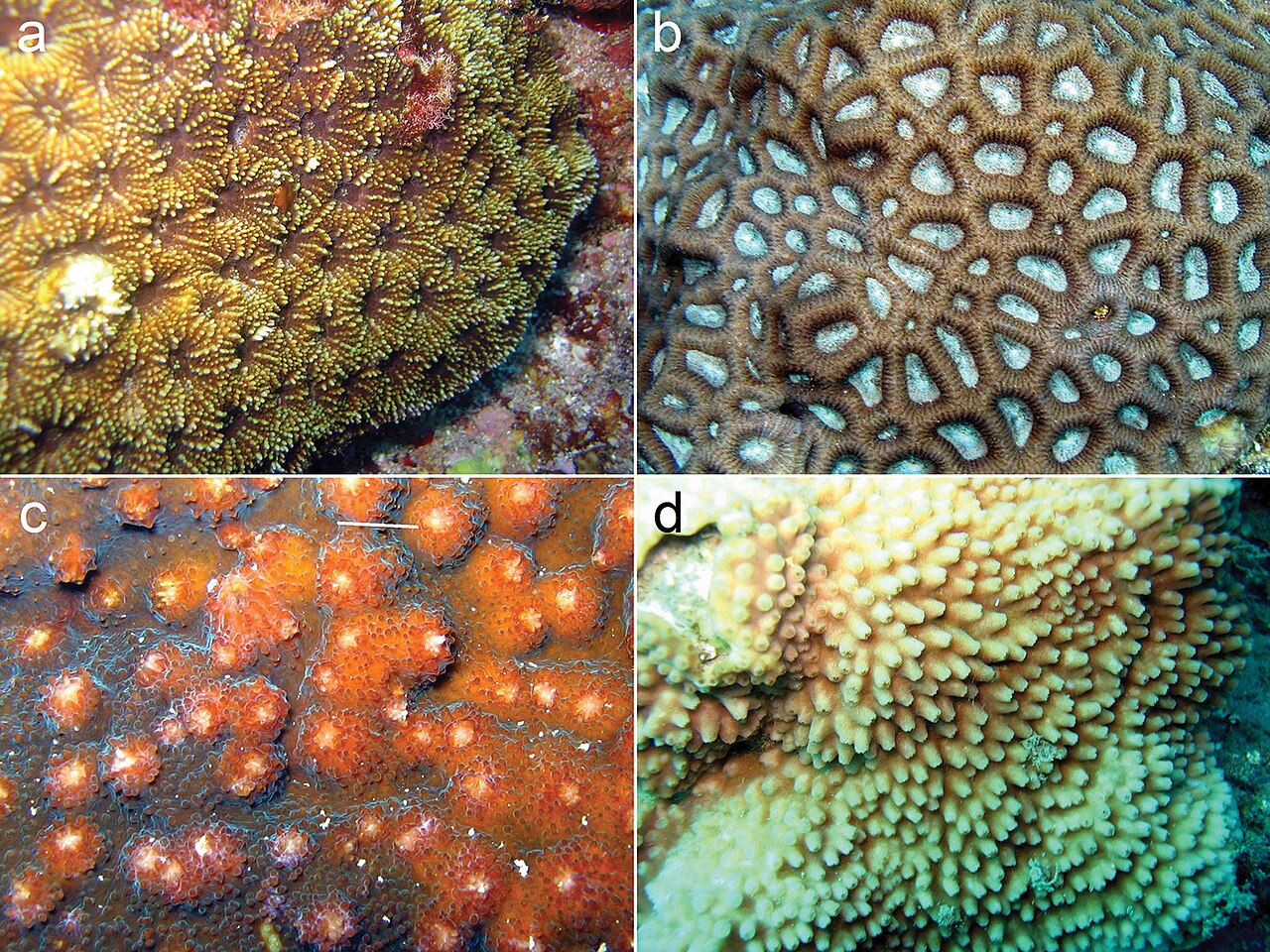
Acanthastrea subechinata forms encrusting colonies with well-separated polyps. Colors are often bright: green, orange, red. Polyps have a central mouth and short tentacles. This coral is moderately aggressive. It feeds through photosynthesis and prey capture. Growth is slow to moderate. It is valued for its unique texture and colors.
Habitat
Region :
Coral reefs, reef slopes, moderate flow areas
Distribution :
Recommended parameters
Care
Care notes
Parameters similar to A. hillae: temperature 24-27°C, pH 8.1-8.4, salinity 1.023-1.025. Moderate lighting, moderate flow. Minimum tank 100 liters. Feed meaty foods 1-2 times per week. Nitrates <10 ppm, phosphates <0.1 ppm. Calcium 400-450, magnesium 1200-1350. Avoid contact with other corals. Good water flow around the coral is beneficial.
Similar species
Espèces proches, même habitat ou même maintenance

