Black cerith
Cerithium atratum
Family : Cerithiidae
Small detritivorous and herbivorous snail, ideal for cleaning sand and rocks. Its elongated black shell is distinctive.
Description
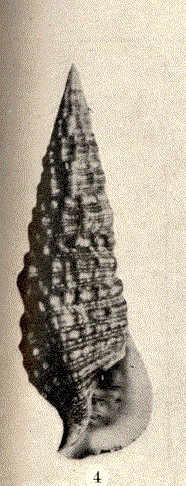
Cerithium atratum has an elongated, turreted shell, black to dark brown, with marked spirals. It measures 2-3 cm in length. It moves on sand and rocks, ingesting substrate to extract detritus and microalgae. It is mostly active at night, but can be seen during the day. It partially buries itself in sand when disturbed. It is very useful for aerating the substrate. It poses no danger to corals or fish. Reproduction in captivity is possible but rare.
Habitat
Region :
Sandy areas and seagrass beds, often in lagoons
Distribution :
Recommended parameters
Care
Care notes
Temperature 22-28°C, pH 8.1-8.4, salinity 1.023-1.025. A tank of at least 30 liters is sufficient for a small group. It feeds on detritus, algae, and food leftovers, but can be supplemented with detritivore tablets. Nitrates should stay below 20 ppm, phosphates below 0.1 ppm. It is compatible with all peaceful fish and invertebrates. Avoid fish that dig in the sand such as gobies or pufferfish. Slow acclimation is recommended. It can be kept in groups, which encourages natural behavior.
Similar species
Espèces proches, même habitat ou même maintenance


