Fly cerith
Cerithium muscarum
Family : Cerithiidae
Small marine detritivore snail, very useful for cleaning substrates and glass. Hardy and easy to keep.
Description
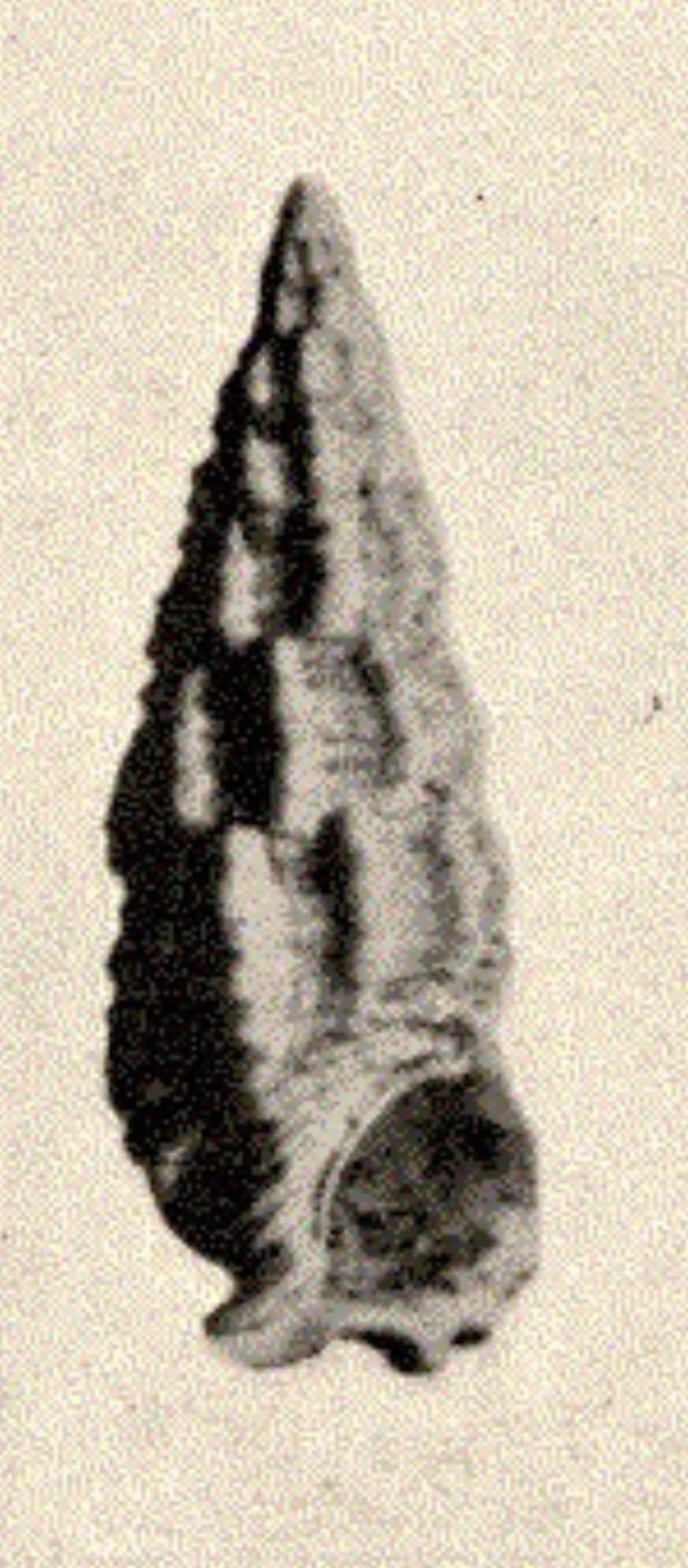
The shell of Cerithium muscarum is elongated, conical, cream to light brown with irregular dark spots. It reaches up to 2.5 cm in length. The body is greyish with a horny operculum. This cerith is an active grazer moving over sand and rocks in search of microalgae and detritus. It has a retractable proboscis to suck up food. Its behavior is peaceful and it does not disturb other tank inhabitants. It is often confused with other Cerithium species.
Habitat
Region :
Sandy bottoms, seagrass beds, intertidal zones
Distribution :
Recommended parameters
Care
Care notes
Parameters: temperature 22-28°C, pH 8.1-8.4, salinity 1.023-1.025, dKH 7-12. It feeds on microalgae, detritus, and leftover fish food. A tank of at least 20 liters is sufficient for a small group. It is compatible with all peaceful fish and invertebrates. Avoid predators like pufferfish or aggressive crabs. It needs a sandy substrate and live rock for hiding. No special lighting is required, but moderate light promotes algae growth. It is sensitive to high nitrate (>20 ppm) and phosphate (>0.1 ppm) levels.
Similar species
Espèces proches, même habitat ou même maintenance


