Meat coral
Symphyllia radians
Family : Mussidae
A massive LPS coral forming large undulating colonies with vivid colors. It is popular in the aquarium trade for its hardiness and fast growth.
Description
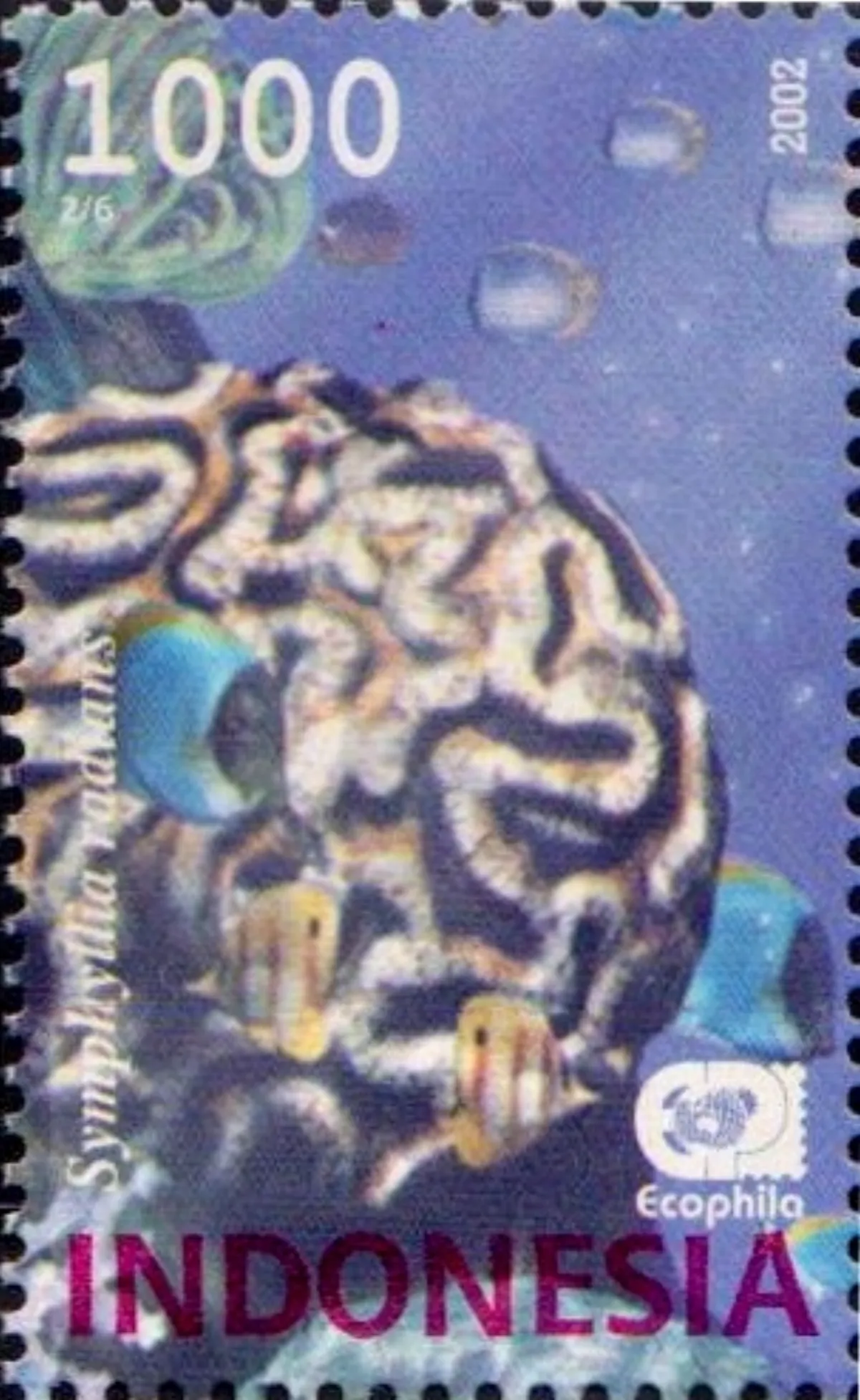
Symphyllia radians forms massive, dome-shaped or meandering colonies with fleshy polyps and prominent septa. Colors range from green, brown, red to purple, often with contrasting mouths. Polyps are retractable and can extend long sweeper tentacles at night. Colonies can exceed 1 meter in the wild but remain smaller in aquaria. No obvious sexual dimorphism.
Habitat
Region :
Symphyllia radians is found on coral reefs in shallow areas with hard substrate and good water flow. It colonizes reef slopes and flats, often in turbid water. Prefers well-lit areas but tolerates moderate light.
Distribution :
Recommended parameters
Care
Care notes
A minimum 100 L tank is recommended. Parameters: temperature 24-28°C, pH 8.1-8.4, salinity 1.023-1.025, calcium 400-450 ppm, magnesium 1250-1350 ppm, KH 8-12 dKH, nitrates <10 ppm, phosphates <0.1 ppm. Moderate to intense lighting, moderate water flow. Omnivorous, feeds on zooplankton and microorganisms but relies mainly on zooxanthellae. Compatible with most fish and invertebrates, but watch for sweeper tentacles that can damage neighboring corals. Avoid placing too close to other corals.
Similar species
Espèces proches, même habitat ou même maintenance


